
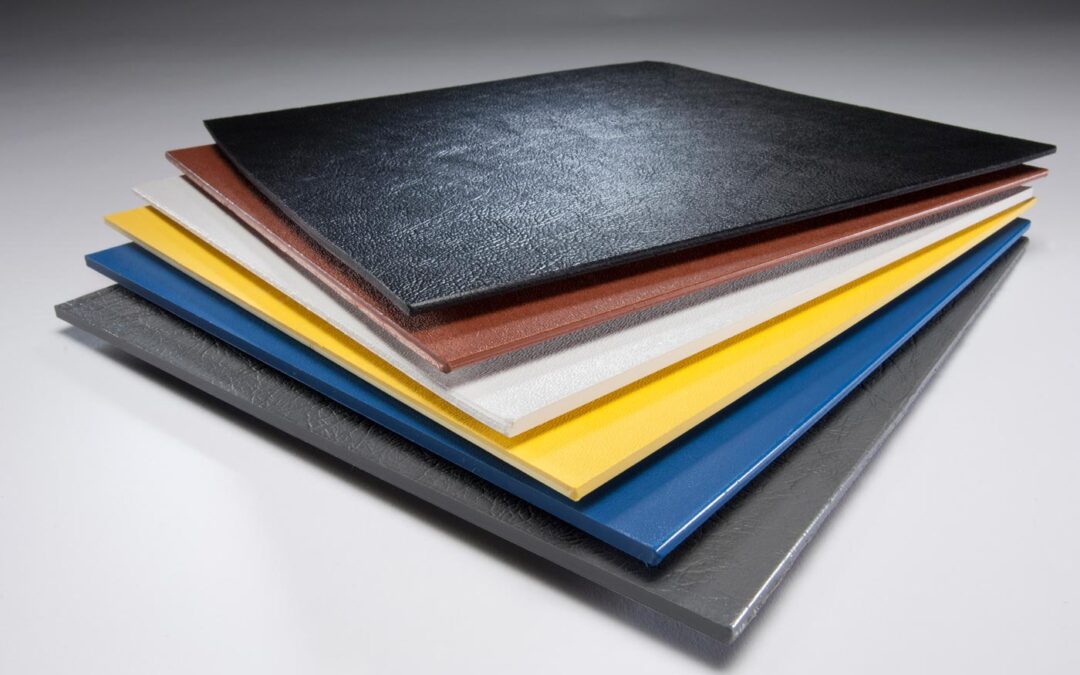
ABS (Acrylonitrile Butadiene Styrene)
ABS (Acrylonitrile Butadiene Styrene) is an amorphous thermoplastic material, with a continuous use temperature range of -4° F (-20° C) to 176° F (80° C). It is categorized as a standard material, and offers a balanced combination of mechanical toughness, impact resistance, and ease of fabrication and thermoforming.

Acetal (Polyoxymethylene, POM)
Acetal, also known as POM (Polyoxymethylene), is a semi-crystalline engineering thermoplastic material, with a continuous use temperature range of up to 180° F (82° C). Acetal offers high strength and stiffness coupled with high dimensional stability and ease of machining.
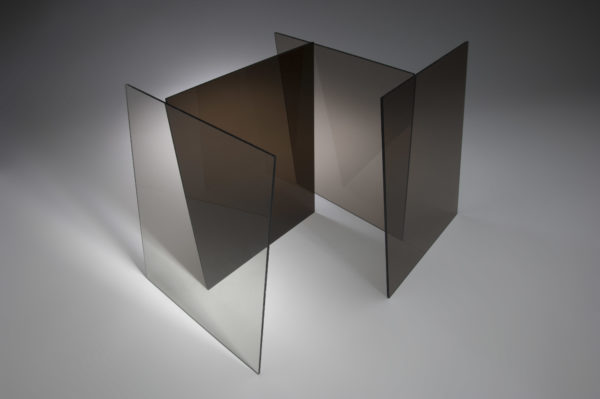
Acrylic (Polymethyl Methacrylate, PMMA)
Acrylic, also known as Polymethyl Methacrylate (PMMA), is a thermoplastic that can be formed into a number of shapes, making it suitable for use in a broad range of industries and products.
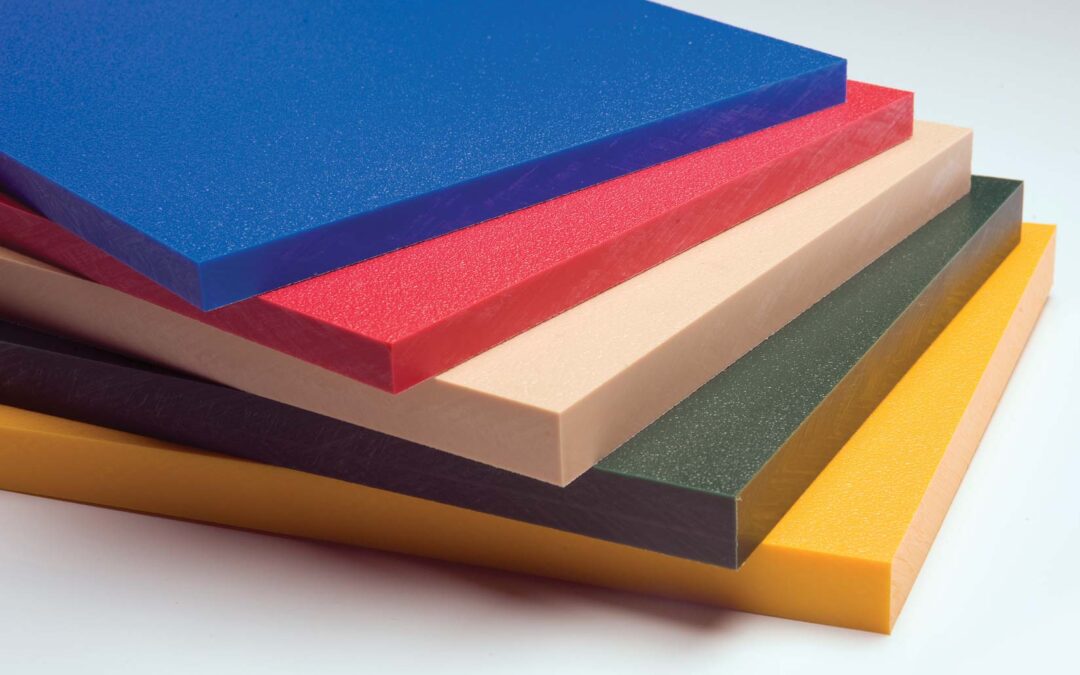
High Density Polyethylene (HDPE)
HDPE (High Density Polyethylene), part of the polyolefin family of materials, is a semi-crystalline thermoplastic material, with a continuous use temperature range of -50° F (-46° C) to 180° F (82° C).
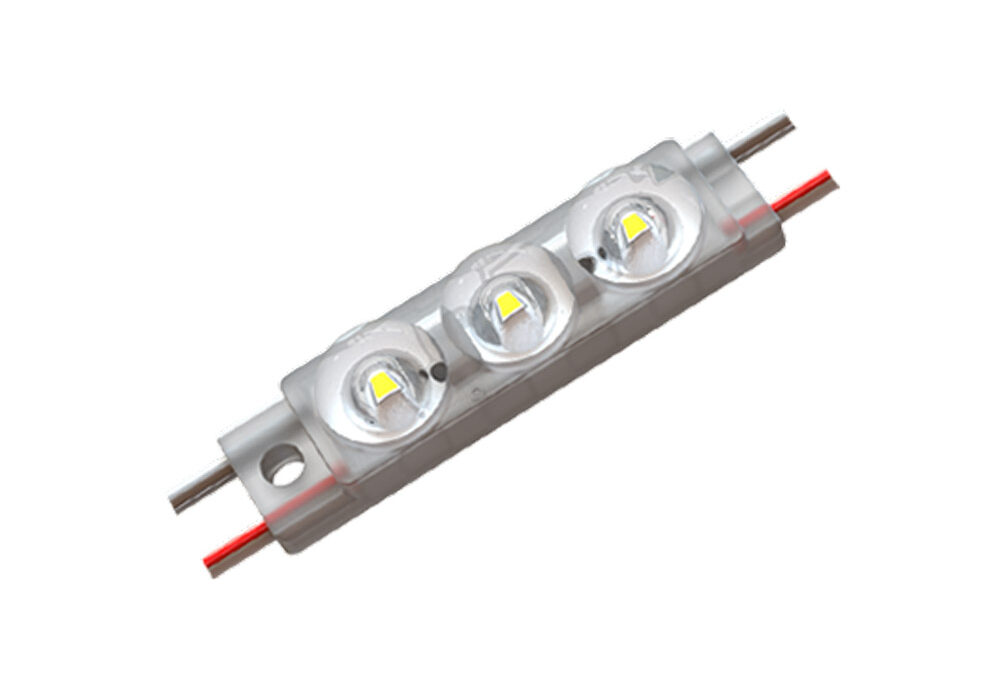
LED Lighting
LED lighting offers low energy consumption for an eco-friendly lighting solution for new or retrofit electric sign installations.
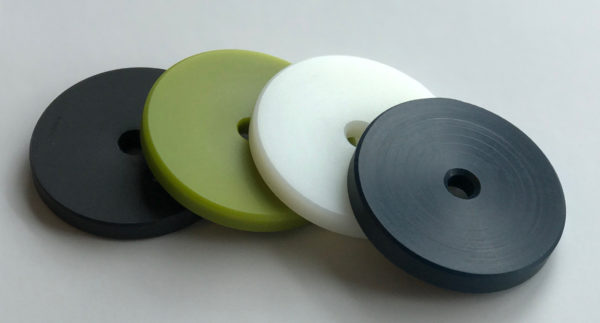
Nylon (Polyamide, PA)
Nylon is one of the original engineering thermoplastic materials. With an ideal balance of strength and toughness it finds use in a wide variety of industries and applications.
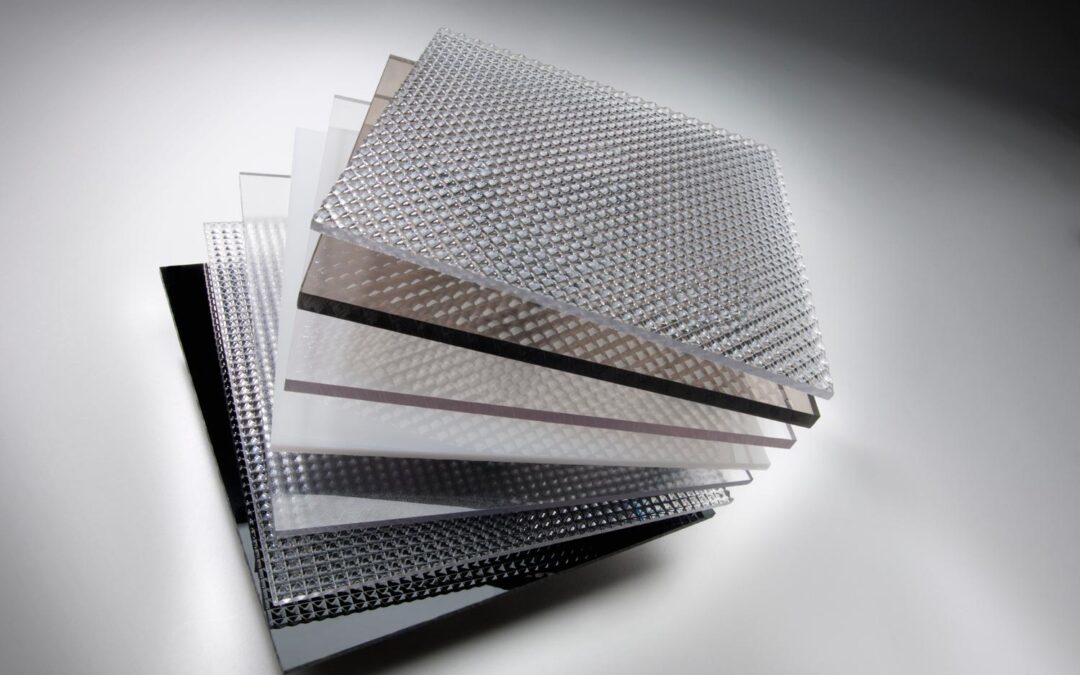
Polycarbonate
Polycarbonate, also referred to as PC, is a tough, impact-resistant, virtually unbreakable material used in wide variety of applications. It is an amorphous thermoplastic material, with a continuous use temperature range of up to 265° F (129° C).

Ultra High Molecular Weight Polyethylene (UHMW)
UHMW, also known as UHMW-PE (Ultra High Molecular Weight Polyethylene), is a semi-crystalline thermoplastic material, with a continuous use temperature range of up to 180° F (82° C).