

Plastic Products for Aerospace Applications
Products for Compliance, Performance, & Lightweighting
About Aerospace Industry Plastics
Aerospace engineers and airlines must abide by strict safety guidelines to ensure safe, reliable flights. Every part, component, and feature on an aircraft is heavily scrutinized and regulated. Plastics used on aircraft often require a specialized grade to meet performance standards, such as those outlined by the Federal Aviation Association (FAA). Key OEMs Airbus and Boeing shape what it means to be an aerospace-grade plastic by setting their own requirements, which other manufacturers follow. As their specs tighten, plastic materials continue to evolve and innovate to meet those performance needs.
Most plastic materials used in aircraft must meet specifications outlined by FAR 25.853, OSU 6565, ABD 0031, or BSS 7239. FAR 25.853 outlines flammability requirements for materials that go into aircraft seats. OSU 6565 is a section of 25.853 that outlines heat release how materials react when forced into combustion. ABD 0031 includes additional fire testing, heat release, emissions, and toxicity regulations that a material must pass before it can be used in an Airbus aircraft. Finally, Boeing’s BSS7239 mandates additional toxicity regulations that measure the concentration of gases released, such as carbon monoxide, sulfur dioxide, and nitrogen oxide.
To learn more about our inventory of aerospace-grade plastic, contact one of our professionals today.

Polymershapes Offers Plastics Engineered to Satisfy Strict Performance Requirements
Our inventory includes industry-leading brands developed by world-renowned manufacturers like SABIC and Simona. Specialty grades of aerospace plastics can be found throughout an aircraft, from inside the cabin to the engine bay or fuselage. With enhancements that improve heat resistance, produce low toxicity and outgassing, and resist moisture buildup, our inventory gives engineers and manufacturers a massive catalog to choose from.
Offering Sustainable Alternatives to Traditional Materials
Performance plastics are a sustainable alternative to metals in aircraft construction because they are approximately 50% lighter and less dense than aluminum. Lighter aircraft use less fuel, which equates to cost savings on every flight as well as a smaller carbon footprint. Plastics are a safe and environmentally responsible choice for many aerospace applications.

Offering Sustainable Alternatives to Traditional Materials
Performance plastics are a sustainable alternative to metals in aircraft construction because they are approximately 50% lighter and less dense than aluminum. Lighter aircraft use less fuel, which equates to cost savings on every flight as well as a smaller carbon footprint. Plastics are a safe and environmentally responsible choice for many aerospace applications.
Features & Benefits
Aerospace Compliant
•Moisture & Corrosion Resistant
•Impact Resistant
•Low Toxicity
•Low Smoke Generation
•Lightweight
•Reduced Maintenance
•Easy to Fabricate
•Color & Texture Variety
Aerospace Compliant
Meets FAR 25.853, OSU 6565/5555, ABD 0031, and BSS 7239 for flammability, heat release, and toxicity.
Moisture & Corrosion Resistant
Withstands humidity, condensation, and corrosive elements without degradation.
Impact Resistant
Withstands significant forces and debris impact for critical components like canopies and cabin interiors.
Low Toxicity
Low toxicity and minimal outgassing help preserve air quality and ensure safety.
Low Smoke Generation
Produces minimal smoke during fire scenarios, improving visibility for evacuation.
Lightweight
Reduces overall aircraft weight, enhancing fuel efficiency and reducing carbon footprint.
Reduced Maintenance
Resists fatigue and corrosion, minimizing the need for part replacement.
Easy to Fabricate
Can be cut, thermoformed, and machined for design flexibility and efficient installation.
Color & Texture Variety
Available in multiple colors, textures, and finishes to meet aesthetic and branding needs.
Applications
Aircraft Seating
Seats are one of the most heavily engineered pieces of equipment on any aircraft. The materials used must pass rigorous testing methods to ensure head-impact safety, as well as low flammability, smoke emission, and heat release levels. Acrylic-PVC, such as SIMONA’s Boltaron® 9000 Series, fulfill all regulations outlined by the FAA for this application.
Backlit Panels
KYDEX® FST CLR is a clear Acrylic-PVC, giving airlines a flame, smoke, and toxicity (FST) compliant option for backlit panels and other decorative applications.
Bulkhead Storage Areas
Acrylic-PVC is modified for improved impact strength and extremely low flame, smoke, and heat release properties. This makes bulkhead storage areas incredibly durable, with added protection for luggage throughout each flight.
Cabin Dividers
Cabin dividers serve a dual purpose: to separate sections of the cabin and give airlines a chance to showcase their brand. KYDEX FST CLR is an aerospace-grade Acrylic-PVC that satisfies the flame, smoke, toxicity, and heat release requirements of all aerospace specs while making it easy for airlines to add branding to a functional piece of equipment.
Cabin Windows
Aircraft windows are specially engineered to handle fluctuating altitudes, extremely high and low pressures, and even debris and impact. Polycast and Roehm both offer PMMA for exterior windows and SABIC offers an Aerospace-grade polycarbonate used as middle windows for sound abatement, LEXAN™ 9600 and F2100, which combines polycarbonate’s signature impact strength and durability with enhancements to surpass flame, smoke, and toxicity requirements.
Clear Signage
Airlines are often looking for innovative ways to incorporate their brand while satisfying all regulations. SABIC’s JET PANEL™ is an aerospace-grade, clear polycarbonate sheet that is just as strong, durable, and printable as general-purpose polycarbonate, but optimized for FST specifications.
Dustpanes
Thin pieces of plastic called dustpanes cover the interior of aircraft windowpanes to protect them from passenger wear and tear. Dustpanes are much less expensive to repair or replace than the windows themselves and must be made from a material with high impact resistance, abrasion resistance, and optical clarity. LEXAN offers two specialized grades of polycarbonate engineered for this application: LEXAN FMR604 can be curved or bent to fit windows on aircraft with a smaller fuselage radius, while LEXAN MRAC covers flat windows on larger aircraft.
Mirror
Jet Mirror is a specialty polycarbonate by Polymershapes with a reflective surface and an abrasion resistant coating. Flame retardant, cost effective, and virtually unbreakable, this is the perfect material for aircraft mirrors, including those in lavatories or storage bins.
Privacy Screens
Acrylic-PVC’s FST properties, low weight, and durability make it a great material for privacy screens. Non-clear options like SIMONA’s Boltaron 9000 Series can make privacy screens both convenient and safe.
Sidewalls
Interior sidewalls and closeout panels commonly use plastic foam as their core. For example, aircraft lavatories, which accumulate a lot of moisture, often use Diab’s Divinycell U foam Polyetherimide on the bottom of their walls. PEI is one of the highest grades of performance plastics available, and its foam form has very low moisture uptake and possesses extreme flame, smoke, heat, and toxicity properties that allow it to protect the lavatory from heat without absorbing any moisture.
Other Applications
- Beverage carts
- Bushing and bearings
- Landing gear components
- Transparent bar doors
- Trays and tray tables
- Ventilation ducts and seals
- Video screen covers
- Window shades and dust panes
Products for Aerospace Applications

PVC-Acrylic
PVC-Acrylic is a thermoformable, high-impact, fire-rated sheet for a variety of aerospace and industrial applications.
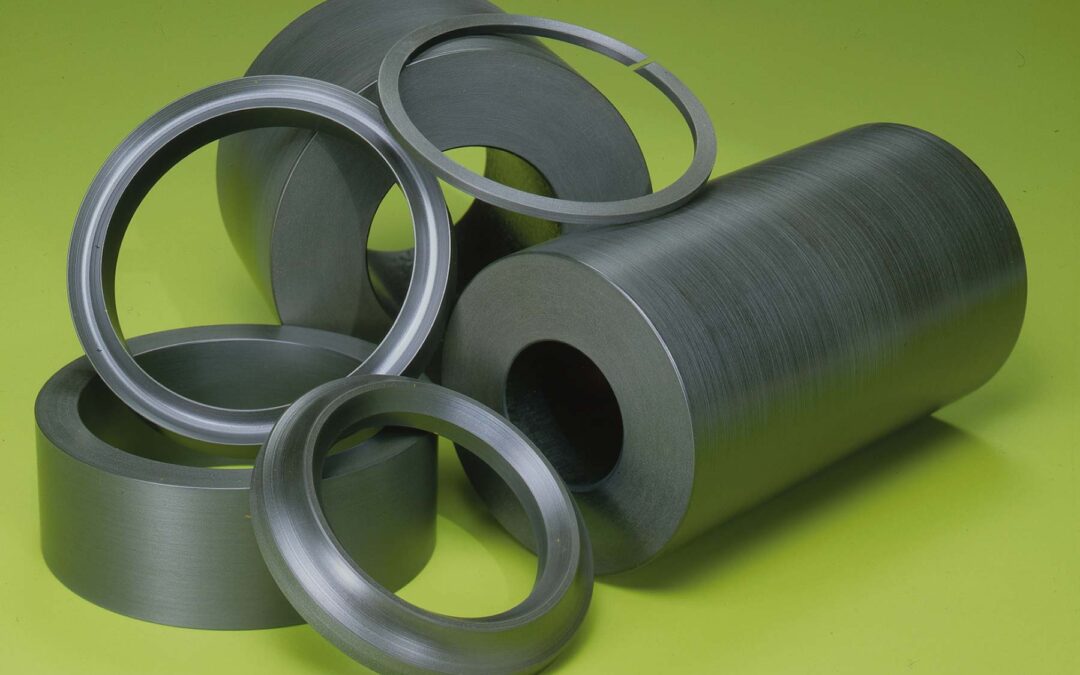
PTFE (Polytetrafluoroethylene)
Polytetrafluoroethylene (PTFE) is a high molecular weight polymer with excellent thermal and electrical insulation properties, and a low coefficient of friction. It is a highly versatile plastic material useful in a broad range of high technology market segments and products, and its properties can be modified by additives such as glass fiber, carbon, or graphite.

PPSU (Polyphenylsulfone)
PPSU (Polyphenylsulfone) is an amorphous thermoplastic material, with a continuous use temperature range of up to 300° F (149° C).
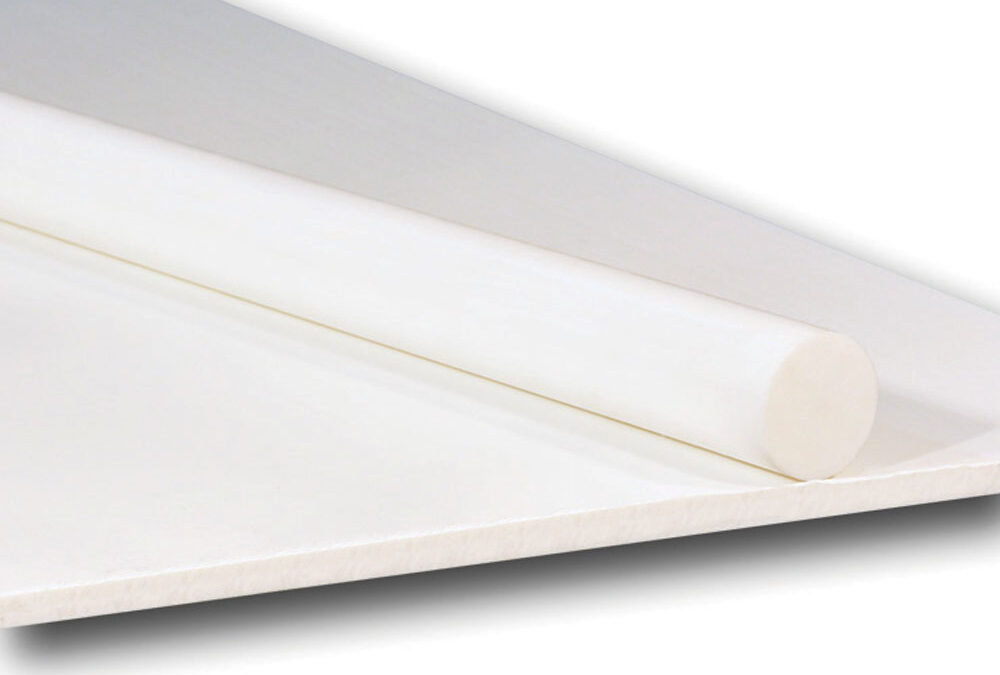
PPS (Polyphenylene Sulfide)
PPS (Polyphenylene Sulfide) is a tough, high-performance engineering thermoplastic featuring high dimensional stability.
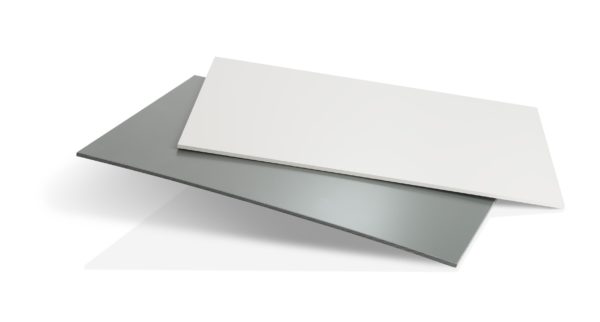
Polycarbonate-ABS Blend (PC-ABS)
Polycarbonate-ABS blend sheet is an opaque, solid, low-gloss sheet, commonly known as LEXAN H6500. Commonly used in the bus & rail industry, this sheet offers excellent stiffness, as well as flame retardant properties.

PI (Polyimide)
PI (Polyimide), is an imidized material with a continuous use temperature range of up to 580° F (304° C). It is categorized as an extreme performance material, and offers excellent heat resistance, lubricity, dimensional stability, and chemical resistance.

Phenolic/Thermoset Plastics
Phenolics, also known as Thermosets, are extremely versatile machinable plastics that deliver unique properties by combining resins with composite materials.
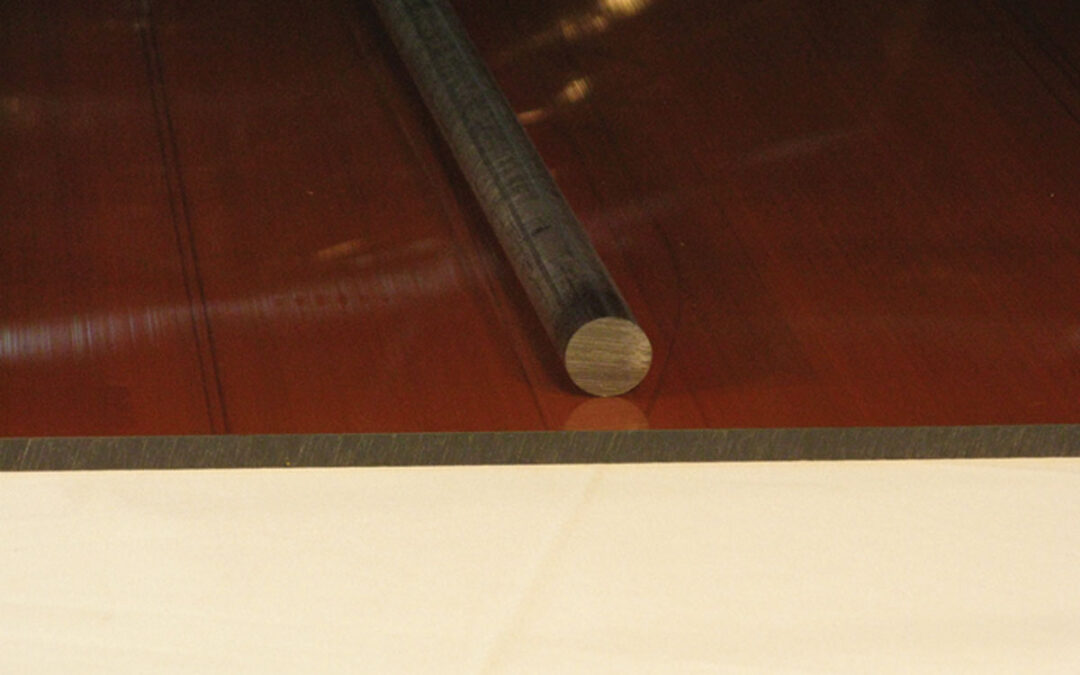
PEI (Polyetherimide, ULTEM™)
PEI (Polyetherimide) is an amorphous engineering thermoplastic offering exceptional mechanical, thermal and electrical properties. It can be easily machined with conventional metalworking tools, and can be painted, hot stamped, printed or metallized.
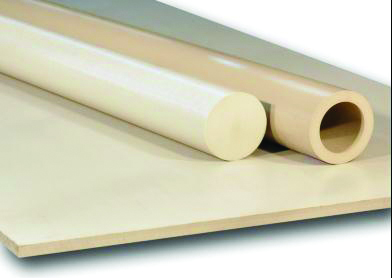
PEEK (Polyetheretherketone)
PEEK (Polyetheretherketone) is a unique engineering thermoplastic offering high temperature resistance, toughness, rigidity, and creep resistance. It is resistant to a wide range of solvents, making it an excellent material for use in a wide spectrum of applications where thermal, chemical and combustion properties are critical to performance.

PBI (Polybenzimidazole)
PBI (polybenzimidazole) such as Duratron® from Mitsubishi Chemical Advanced Materials, features the highest mechanical properties of any plastic above 400°F as well as the lowest coefficient of thermal expansion and highest compressive strength of all unfilled plastics.
Have a Project? Get in Touch Today!
Our materials experts will help identify the right solution for your application, put together a quote and a detailed timeline.
Stay Informed with Our Newsletter
Be the first to see our latest promotions, new materials and valuable informative content by signing up for our newsletter.