
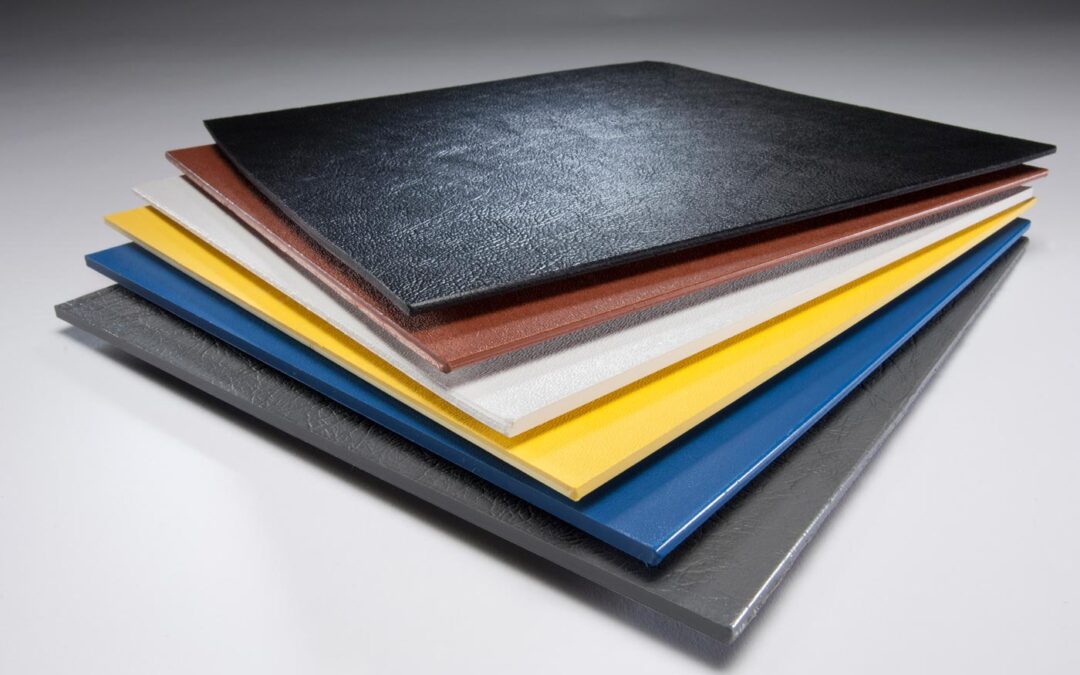
ABS (Acrylonitrile Butadiene Styrene)
ABS (Acrylonitrile Butadiene Styrene) is an amorphous thermoplastic material, with a continuous use temperature range of -4° F (-20° C) to 176° F (80° C). It is categorized as a standard material, and offers a balanced combination of mechanical toughness, impact resistance, and ease of fabrication and thermoforming.

Acetal (Polyoxymethylene, POM)
Acetal, also known as POM (Polyoxymethylene), is a semi-crystalline engineering thermoplastic material, with a continuous use temperature range of up to 180° F (82° C). Acetal offers high strength and stiffness coupled with high dimensional stability and ease of machining.
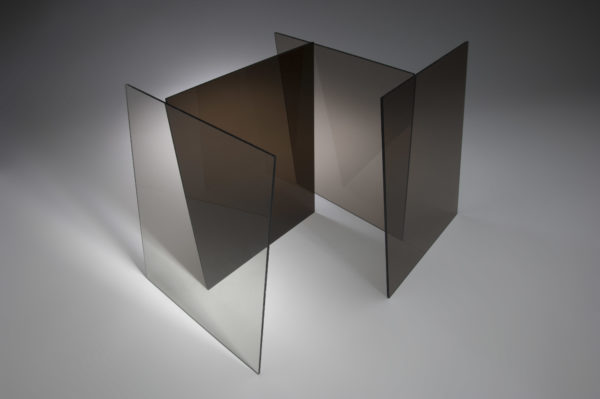
Acrylic (Polymethyl Methacrylate, PMMA)
Acrylic, also known as Polymethyl Methacrylate (PMMA), is a thermoplastic that can be formed into a number of shapes, making it suitable for use in a broad range of industries and products.
APET (Amorphous Polyethylene Terephthalate)
APET (Amorphous-Polyethylene Terephathalate) film is known for its glossy, clear appearance. Offering crystal clear transparency, along with excellent chemical resistance, APET film is a popular choice for medical facesheilds.
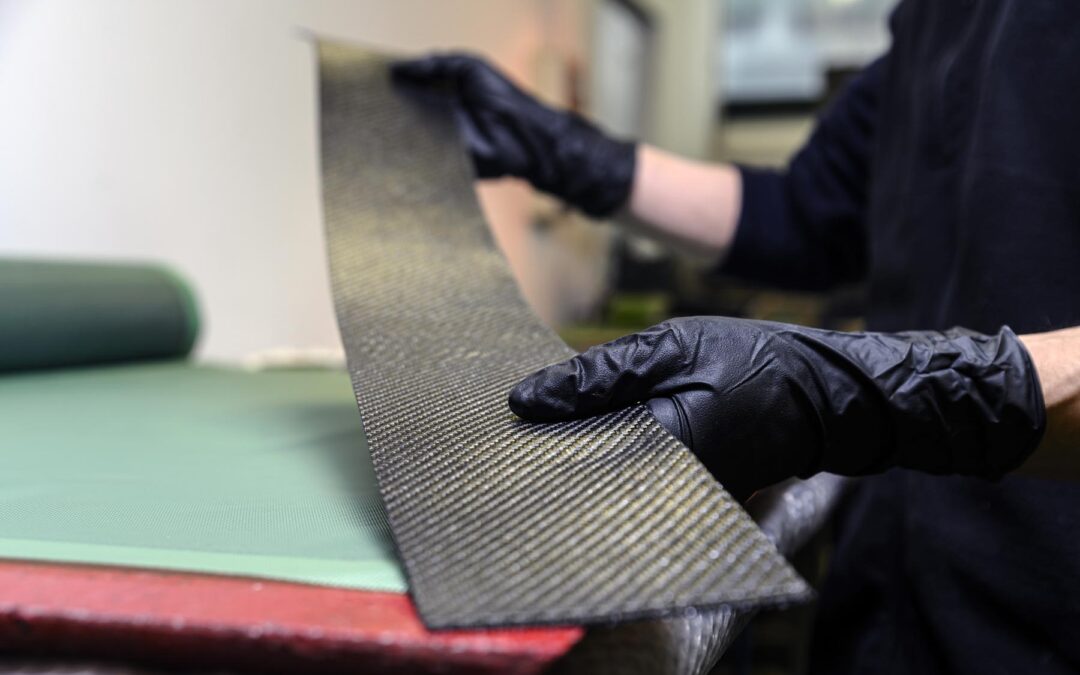
Composites & Processing Aids
Polymershapes can support your processing aid needs from several major manufacturers, these products include but are not limited to vacuum bag films; release films, liquids, and fabrics; adhesive and sealant tapes; autoclave valves and hoses; castable urethane elastomer; tooling resins, and tool support structures.

High Impact Polystyrene (HIPS)
HIPS (High Impact Polystyrene), also known as PS (Polystyrene), is an amorphous thermoplastic material, used in lower heat applications. It is categorized as a standard material, and offers ease of processing, high impact strength, and stiffness.
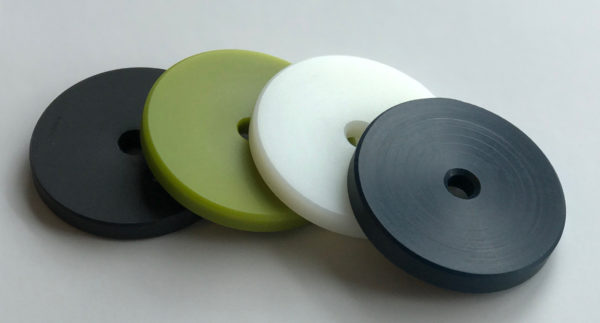
Nylon (Polyamide, PA)
Nylon is one of the original engineering thermoplastic materials. With an ideal balance of strength and toughness it finds use in a wide variety of industries and applications.
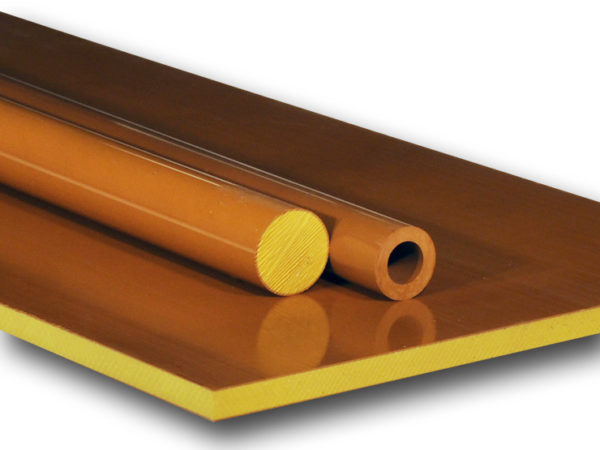
PAI (Polyamide-imide)
PAI (Polyamide-imide) is an imidized thermoplastic material, with a continuous use temperature range of up to 500° F (260° C).

PBI (Polybenzimidazole)
PBI (polybenzimidazole) such as Duratron® from Mitsubishi Chemical Advanced Materials, features the highest mechanical properties of any plastic above 400°F as well as the lowest coefficient of thermal expansion and highest compressive strength of all unfilled plastics.
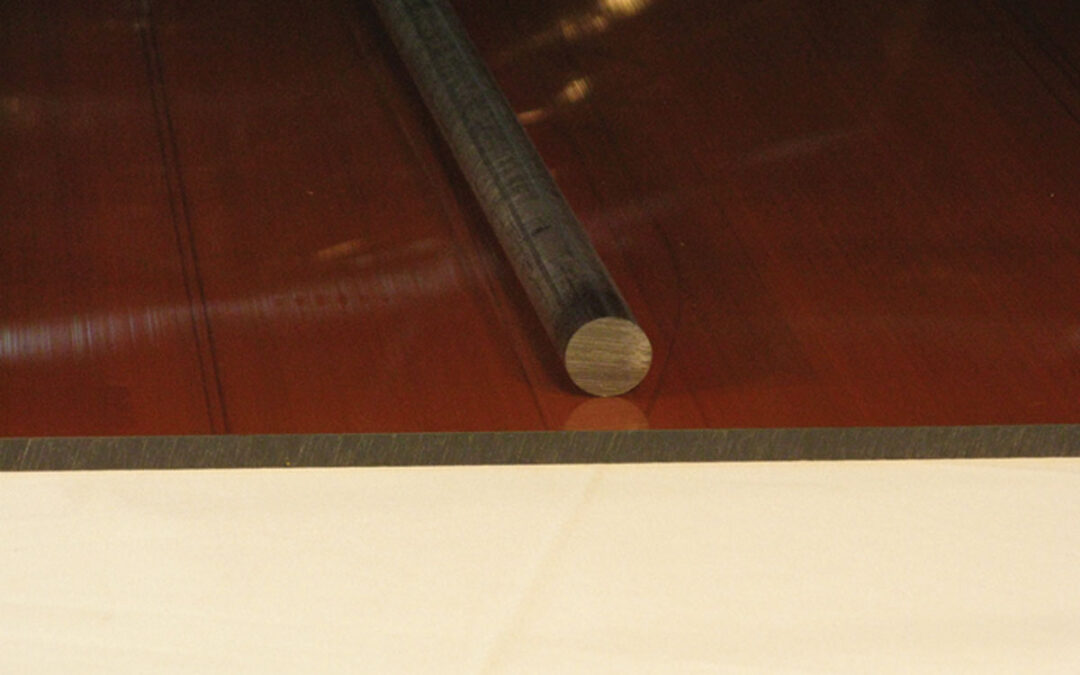
PEI (Polyetherimide, ULTEM™)
PEI (Polyetherimide) is an amorphous engineering thermoplastic offering exceptional mechanical, thermal and electrical properties. It can be easily machined with conventional metalworking tools, and can be painted, hot stamped, printed or metallized.
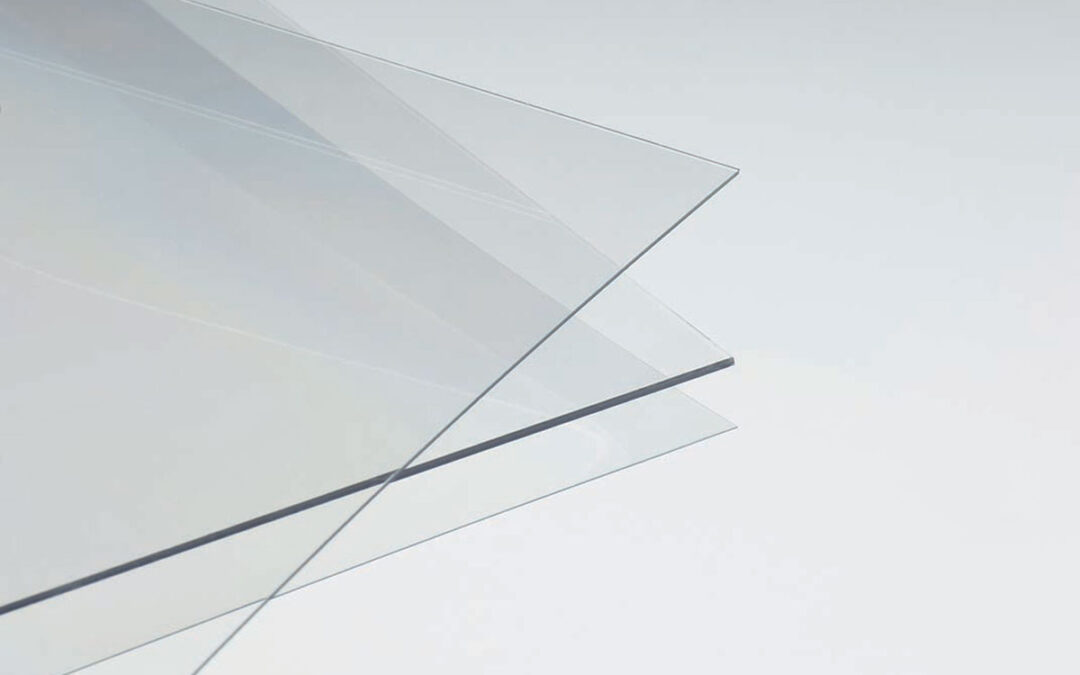
PETG (Polyethylene Terephthalate Glycol)
Polyethylene Terephthalate Glycol, or PETG, is a clear thermoplastic that can be formed into a number of shapes, making it suitable for use in a broad range of applications.

PI (Polyimide)
PI (Polyimide), is an imidized material with a continuous use temperature range of up to 580° F (304° C). It is categorized as an extreme performance material, and offers excellent heat resistance, lubricity, dimensional stability, and chemical resistance.
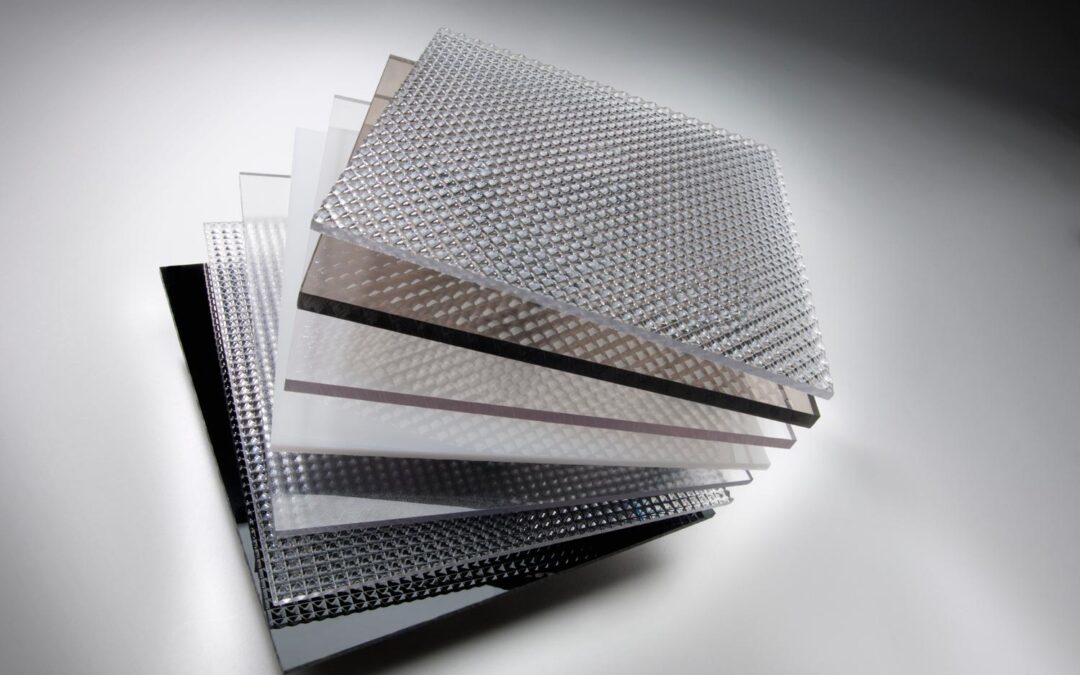
Polycarbonate
Polycarbonate, also referred to as PC, is a tough, impact-resistant, virtually unbreakable material used in wide variety of applications. It is an amorphous thermoplastic material, with a continuous use temperature range of up to 265° F (129° C).
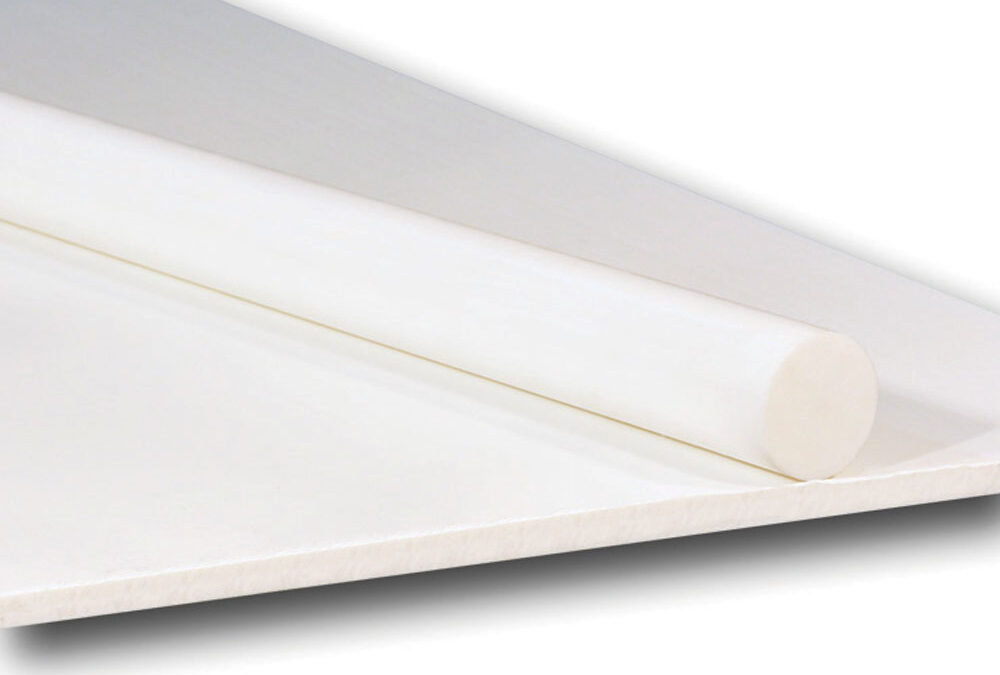
Polyester (PET)
Polyethylene Terephthalate – known as PET or polyester — is a thermoplastic polyester that can be amorphous, crystalline, or a mixture of both, depending on how it is processed. All forms provide good chemical resistance and durability.

PPSU (Polyphenylsulfone)
PPSU (Polyphenylsulfone) is an amorphous thermoplastic material, with a continuous use temperature range of up to 300° F (149° C).

PVC-Acrylic
PVC-Acrylic is a thermoformable, high-impact, fire-rated sheet for a variety of aerospace and industrial applications.